
news_enカテゴリー記事の一覧です
3-LAYER CORRUGATED CARTON BOX: STRUCTURE, ADVANTAGES & PRACTICAL APPLICATIONS
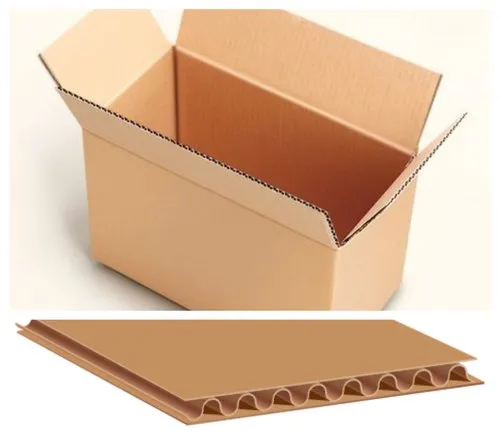
In modern business operations, carton packaging is no longer just a protective covering — it plays a vital role in brand communication, logistics optimization, and product presentation. Among various packaging solutions, the 3-layer corrugated carton box stands out for its balance of cost efficiency, durability, and versatility.
1. What Is a 3-Layer Corrugated Carton Box?
A 3-layer corrugated box is made from three bonded paper layers: two flat linerboards on the outer surfaces and one fluted (corrugated) medium in between.
The fluted layer provides cushioning, rigidity, and resistance against crushing or deformation during transportation.
This type of carton is currently the most widely used packaging option on the market thanks to its low cost, ease of printing, and simple production process, while still meeting general packaging standards for most industries.
2. Structure of a 3-Layer Corrugated Carton Box
A standard 3-layer corrugated box consists of three main components:
- Outer layer (Top liner):
The visible surface of the box, typically smooth and aesthetic, available in white, brown, or kraft yellow. This layer is usually printed with brand logos or product information. - Fluting (Corrugated medium):
The wavy middle layer formed in a sinusoidal pattern, designed to absorb shocks and enhance the box’s compression strength.
Common flute types include A, B, and C flutes, each offering different heights and stiffness levels depending on packaging requirements. - Inner layer (Bottom liner):
The innermost surface that supports and stabilizes the box’s structure. It is often made from heavier-weight paper to improve durability.
The overall quality of a 3-layer carton depends on paper grade, grammage (basis weight), flute type, and bonding adhesive. Manufacturers can easily adjust these factors to meet specific packaging or logistics needs.
3. Key Advantages of 3-Layer Carton Boxes
- Cost-effective and economical:
Simple manufacturing processes and readily available raw materials make 3-layer cartons significantly more affordable than plastic or metal alternatives — suitable for both large-scale production and small businesses. - Environmentally friendly:
Made entirely from paper — a renewable and recyclable material — these cartons are an eco-conscious choice that aligns with global sustainability trends. - Lightweight and easy to process:
The structure allows for effortless cutting, folding, and shaping, making customization and mass production quick and efficient. - Reliable durability for general packaging needs:
Despite having only one corrugated layer, the box provides adequate compression and shock resistance for short-distance transportation and warehousing. - Customizable in size and design:
Easily tailored into various forms — from small retail boxes to large shipping cartons — according to customer specifications. - Convenient storage and transportation:
The box can be folded flat when not in use, saving space and reducing logistics costs. - Excellent for printing and branding:
Its smooth surface supports high-quality printing, enabling clear, vibrant logos and brand graphics to enhance product presentation.
4. Limitations to Consider
While 3-layer cartons are versatile and affordable, they do have certain constraints:
- Limited load-bearing capacity:
Not recommended for heavy, fragile, or high-value goods. Under excessive stacking pressure, the box may deform or tear. - Low moisture resistance:
Without lamination or waterproof coating, the paper can soften and lose shape in humid conditions, affecting product protection. - Less suitable for long-distance or export shipping:
Extended transportation — especially via sea freight — can expose the carton to vibration, compression, and humidity, which may compromise its integrity. In such cases, 5-layer or 7-layer cartons are preferred for enhanced protection.
5. Common Applications of 3-Layer Corrugated Boxes
Thanks to their light weight, customizability, and cost advantages, 3-layer cartons are widely used across multiple industries:
- Food & Beverage:
Used for packaging noodles, confectionery, vegetables, bottled drinks, and more. The outer surface can be printed with product labels and brand logos for retail presentation. - E-commerce:
A practical choice for shipping lightweight items such as cosmetics, apparel, books, or small electronics — ensuring both cost efficiency and product safety during delivery. - Household goods & electronics:
Ideal for packaging items like bulbs, chargers, and office accessories, providing basic protection against scratches and minor impacts. - Light industry & construction materials:
Commonly used for wrapping or cushioning flat-surfaced products like wood panels, acrylic sheets, glass, and decorative furniture to prevent damage during transport.
The 3-layer corrugated carton box remains a cost-efficient, flexible, and sustainable packaging solution for modern businesses.
Although it may not be ideal for heavy-duty or long-distance shipping, its practicality in food, e-commerce, and consumer goods sectors makes it a leading choice for companies seeking to balance affordability, product safety, and brand presentation.
Comparison Between 3-Layer and 5-Layer Corrugated Boxes – Which One Is Right for Your Business?
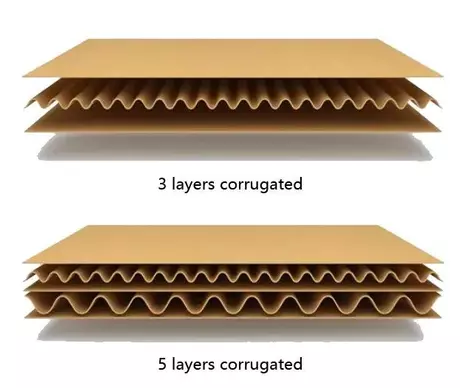
In the corrugated packaging industry, the two most commonly used box types are 3-layer and 5-layer corrugated cartons. Both are widely applied for packing, storing, and transporting goods. However, they differ significantly in terms of structure, strength, and intended use.
Let’s explore their key differences to determine which option best suits your packaging needs.
Similarities Between 3-Layer and 5-Layer Cartons
Despite structural differences, both types share several core characteristics:
- Material: Made primarily from Kraft paper or recycled paper with high strength and durability.
- Basic structure: A combination of flat linerboards and fluted mediums, providing rigidity and cushioning against impacts.
- Versatile applications: Commonly used across industries such as food & beverage, consumer goods, e-commerce, and export packaging.
- Eco-friendly: 100% recyclable and biodegradable, helping reduce plastic waste and promote sustainability.
- Printable surface: Smooth paper surface suitable for printing logos, product details, or brand visuals.
In short, both 3-layer and 5-layer boxes are effective for general packaging, with the main distinction lying in their load-bearing capacity and level of product protection.
Structural and Strength Comparison
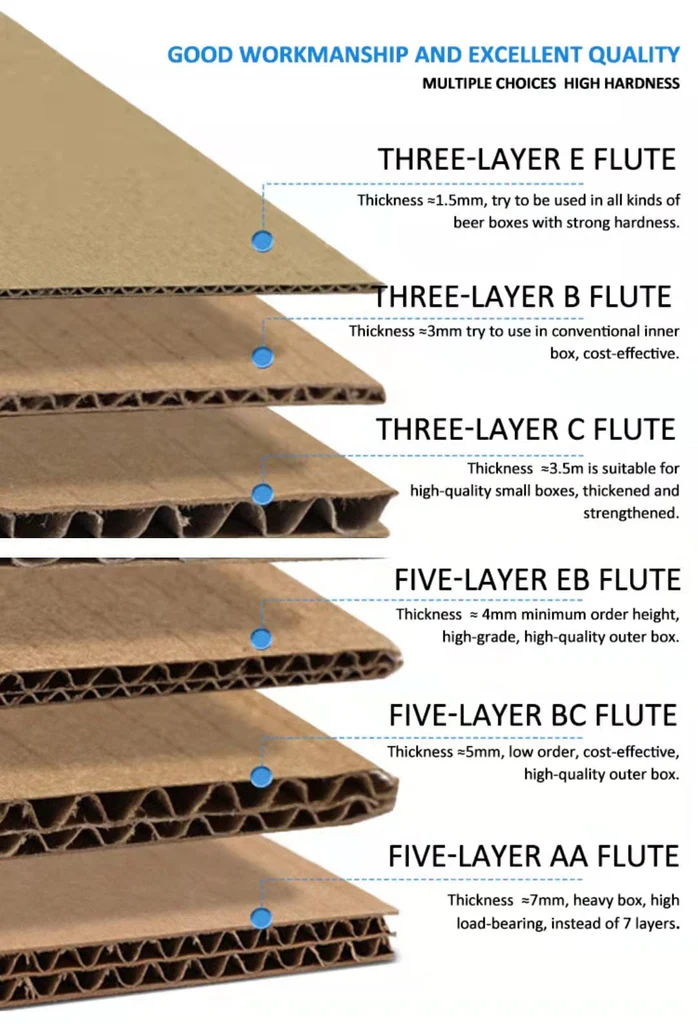
3-Layer Corrugated Box
- Structure: Composed of 3 layers — two flat liners and one fluted layer in between.
- Features: Lightweight, easy to produce, and cost-effective.
- Strength: Suitable for lightweight products or items with minimal risk of damage during handling and transportation.
5-Layer Corrugated Box
- Structure: Built with 5 layers — three flat liners and two alternating fluted mediums.
- Features: Thicker and sturdier, offering higher resistance to compression and impact.
- Protection level: Preferred for heavy, fragile, or export goods that require superior protection during long-distance transport.
Summary:
3-layer boxes are ideal for general packaging needs, while 5-layer boxes are the go-to choice for products demanding extra durability and safety.
When to Use 5-Layer Corrugated Boxes
5-layer cartons are considered a premium packaging solution, best suited for:
- Heavy or bulky goods: Machinery parts, electrical devices, industrial equipment.
- Fragile items: Glassware, ceramics, decorative objects.
- Long-distance transportation: Especially for export or extended storage.
- Food & beverage sector: Beer, wine, soft drinks, frozen foods.
These boxes significantly reduce the risk of product damage during transit while enhancing your brand’s professional image.
When to Use 3-Layer Corrugated Boxes
Although thinner and lighter, 3-layer cartons remain a cost-efficient choice for many applications:
- Lightweight products: Cosmetics, clothing, footwear, accessories.
- E-commerce packaging: Ideal for small, domestic shipments.
- Fast-moving consumer goods: Short shelf-life products that don’t require long-term protection.
- Cost-conscious operations: Suitable for businesses aiming to minimize packaging expenses.
3-layer boxes strike a good balance between cost efficiency and basic product protection, especially for lighter goods.
How to Choose the Right Type of Carton
When deciding between 3-layer and 5-layer corrugated boxes, consider the following factors:
- Product characteristics & weight:
- Lightweight, low-impact goods → choose 3-layer to save costs.
- Heavy, fragile, or high-value items → use 5-layer for maximum safety.
- Shipping distance & storage conditions:
- Short-distance or local delivery → 3-layer is sufficient.
- Long-distance transport, export, or extended storage → opt for 5-layer for better compression and impact resistance.
- Packaging budget:
- Tight budget → 3-layer offers good value.
- Prioritizing protection and presentation → invest in 5-layer.
- Brand image & customer experience:
- 5-layer boxes with smooth surfaces and high-quality printing elevate brand recognition and convey professionalism.
If you’re still deciding between the two, Packwell Global is ready to provide customized packaging consultations — helping your business balance cost, efficiency, and brand impact with the most suitable carton solution.
5-Layer Corrugated Boxes – The Sustainable Choice for Every Business
In the packaging industry, 5-layer corrugated boxes are considered a top choice for products that require superior durability, protection, and aesthetics. With a solid structure, excellent load-bearing capacity, and flexible applications, this packaging solution has become a trusted option for businesses in production, warehousing, and logistics.
1. What Is a 5-Layer Corrugated Box?
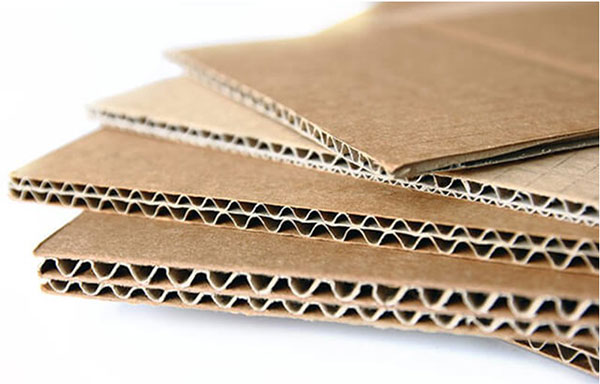
A 5-layer corrugated box (also known as a double wall corrugated box) consists of five sheets of paper, arranged alternately:
- 2 fluting (corrugated) layers
- 3 liner (flat) layers
This construction provides stronger compression resistance and better protection than standard 3-layer (single wall) boxes.
Therefore, it’s widely used for heavy, fragile, or high-value goods.
Common applications include:
- Packaging for electronic devices, machinery, and components
- Transporting beverages such as beer, soft drinks, and wine
- Export packaging for agricultural produce, garments, and seafood
- Industrial, mechanical, and furniture products
2. Detailed Structure of a 5-Layer Carton
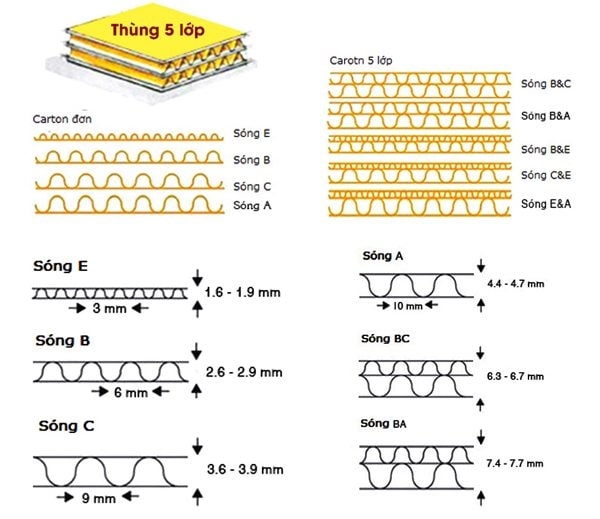
A standard 5-layer carton typically includes:
Outer Liner:
Made from premium Kraft or Testliner paper.
Provides light moisture resistance, impact protection, and a smooth surface for high-quality printing.
First Fluting (A-Flute):
Wavy sinusoidal structure that creates cushioning and elasticity.
Helps distribute pressure and protect goods from shocks.
Middle Liner:
Acts as the “spine” of the box, enhancing rigidity and structural stability.
Second Fluting (B-Flute):
Improves compression strength and prevents deformation when boxes are stacked.
Inner Liner:
Contacts the product directly, keeping it stable and preventing scratches or abrasions.
Common flute types used in 5-layer cartons:
- A-Flute: High, flexible, excellent cushioning
- B-Flute: Short, strong, provides good stacking strength and flat surface
- C-Flute: Balanced between strength and printability
- E-Flute: Fine and smooth, ideal for detailed printing
- BC or EB combination flutes: Optimize both protection and compression resistance
3. Key Advantages of 5-Layer Corrugated Boxes
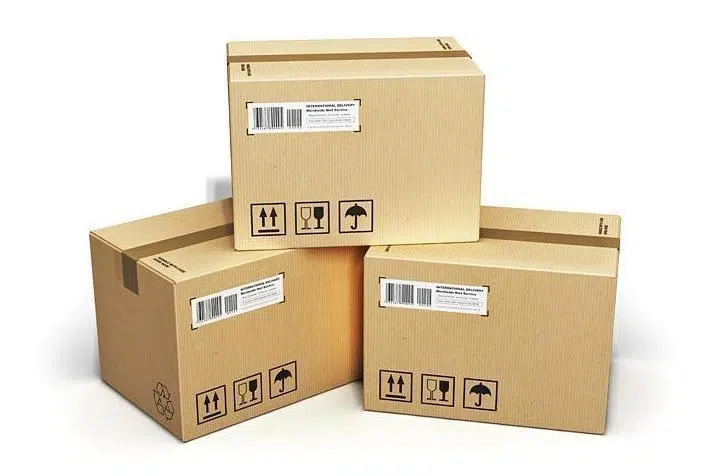
🔹 Outstanding Strength & Durability
Two fluting layers provide excellent resistance to compression and impact during long-distance transportation or warehouse stacking.
🔹 Maximum Product Protection
The dense structure ensures fragile, electronic, or glass items remain safe throughout handling and transit.
🔹 Customizable Sizes
Boxes can be made to specific dimensions to fit your products perfectly — saving space and reducing logistics costs.
🔹 Eco-Friendly Solution
Made from recycled paper and 100% biodegradable — a sustainable alternative to traditional plastic packaging.
🔹 Cost-Effective & Efficient
Lighter and more affordable than wooden or plastic crates while maintaining strong performance.
🔹 Supports Brand Printing
Smooth outer surfaces allow for high-quality flexo or offset printing, ensuring clear and professional brand presentation.
4. Limitations to Consider
- Moisture Sensitivity:
May weaken when exposed to humidity or direct water. - Heavier Than 3-Layer Boxes:
Slightly more effort required for manual handling. - Higher Cost:
However, the added protection and durability justify the investment.
Solution:
Apply a PE moisture-resistant coating or use an inner plastic liner to extend box lifespan in humid conditions.
5. Common Applications by Industry
- Food & Beverage: Beer, soft drinks, wine, and frozen goods.
- Electronics & Technology: TVs, computers, phones, and premium electronic devices.
- Fashion & Cosmetics: Apparel, footwear, handbags, and export-grade cosmetics.
- Export Packaging: Meets international standards for sea and air shipping — ideal for agricultural, seafood, and textile products.
6. Current Market Trends
As e-commerce continues to expand, logistics and packaging demands are growing rapidly.
The 5-layer corrugated box has become the industry standard for:
- Ensuring product integrity in nationwide delivery
- Enhancing professional brand image
- Supporting eco-friendly, sustainable business practices
Currently, BC and EB flute boxes printed using flexo or offset technology are among the most popular choices — offering both strength and visual appeal.
7. Why Choose Packwell Global?
At Packwell Global, we don’t just manufacture cartons — we provide end-to-end packaging solutions that help your business optimize efficiency and protect your products better.
We stand out by offering:
- Consistent Quality – International Standards:
Every product undergoes strict inspection from paper selection to final forming, ensuring high precision and durability. - Flexible Customization:
We tailor packaging to suit the unique needs of each industry — from food and electronics to exports and e-commerce. - Professional Printing:
Our experienced team delivers high-quality printing for logos, branding, and product information — ensuring consistency across all packaging materials. - Sustainable, Green Solutions:
We use eco-friendly and recyclable materials, contributing to a greener, more sustainable future. - Dedicated Service & On-Time Delivery:
Fast quotations, detailed consultation, and reliable delivery schedules — giving our clients total peace of mind.
Common Mistakes When Ordering Corrugated Packaging
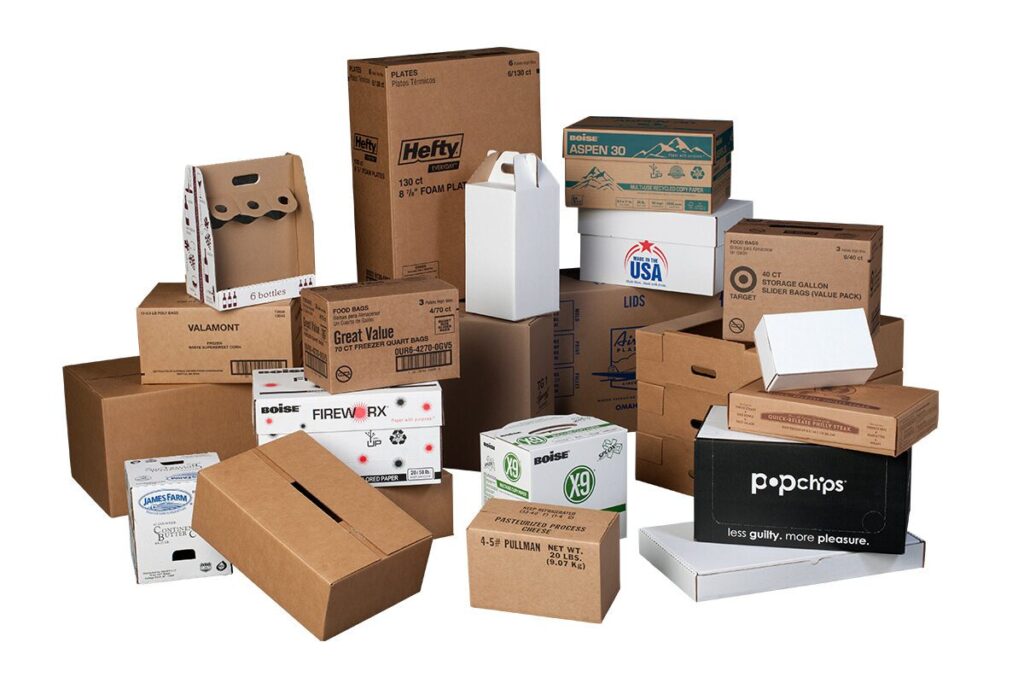
When sourcing corrugated packaging, many businesses tend to focus mainly on price or design, while overlooking important technical specifications. This lack of attention can lead to costly problems — from poor product protection and higher logistics costs to a weakened brand image.
Let’s take a closer look with Packwell Global at the most common mistakes companies make when ordering corrugated boxes — and how to avoid them for more efficient, high-quality packaging solutions.
1. Choosing the Wrong Box Size
Common Issue:
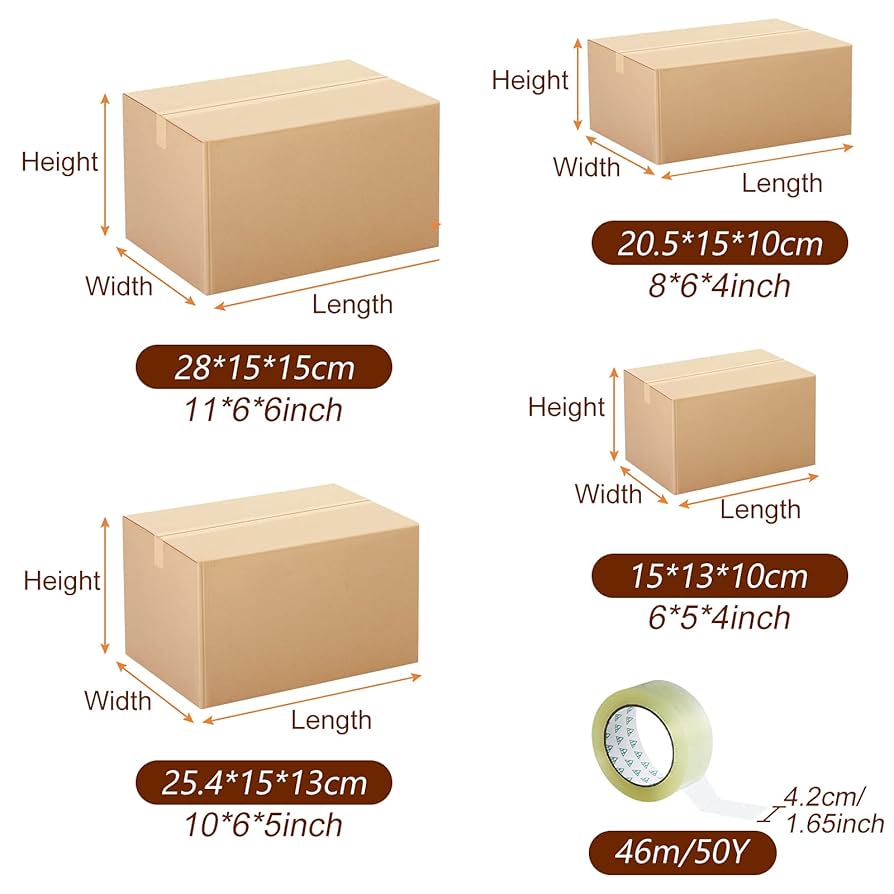
One of the most frequent mistakes is selecting boxes that don’t fit the product dimensions.
If the box is too large, excess space requires additional fillers, leading to wasted material and higher shipping costs.
If it’s too small, the product may be compressed or damaged during handling and transport.
Moreover, ignoring pallet and container size standards can reduce loading efficiency and increase warehousing costs.
How to Fix It:
- Measure product dimensions (length – width – height) accurately, allowing just enough clearance for cushioning materials.
- Refer to standard pallet sizes for better warehousing and export efficiency.
- Before mass production, request technical drawings and pre-production samples to validate sizing and structural integrity.
2. Selecting the Wrong Corrugation Type
Common Issue:
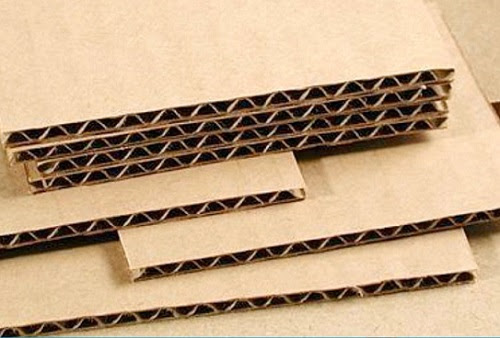
Many businesses pay attention only to the number of layers (3-ply, 5-ply, 7-ply) but overlook the flute type (A, B, C, E, etc.).
Using flutes that are too thin can make boxes weak and prone to deformation, while flutes that are too thick waste material, increase weight, and drive up logistics costs without real benefit.
How to Fix It:
- Assess product weight, physical properties, and transportation conditions (domestic, export, short or long distance).
- Choose the appropriate flute profile and thickness based on these factors.
- Consult directly with the packaging manufacturer for testing and optimization — ensuring the best balance between protection and cost.
3. Inappropriate Design and Printing for Corrugated Materials
Common Issue:
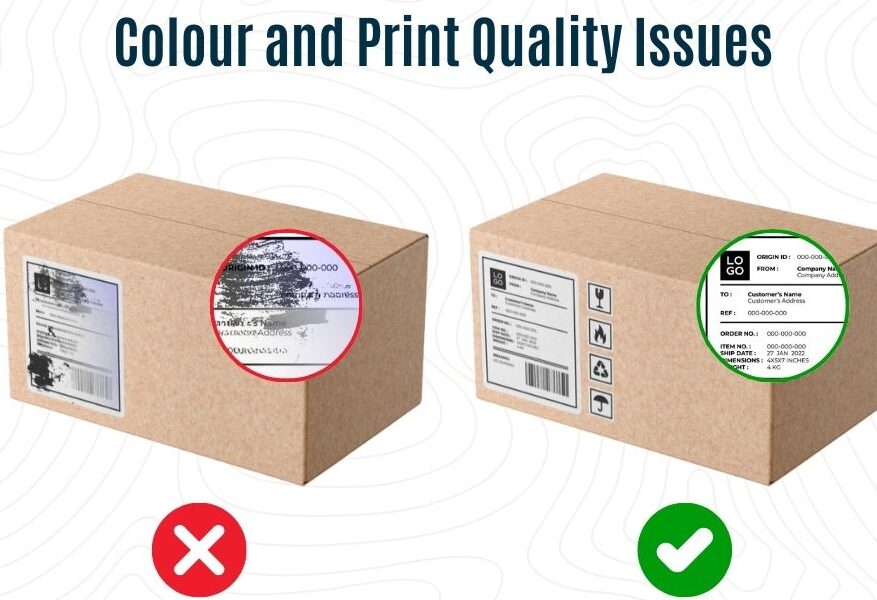
Packaging serves as both protection and brand representation. However, many designs fail to consider the printing limitations of corrugated paper.
For example, brown kraft paper tends to mute bright colors, causing images to appear dull or lose fine details.
Improper alignment during printing may also cause misplacement of logos or slogans, affecting visual appeal.
How to Fix It:
- Work with experienced packaging designers who understand material behavior and print compatibility.
- Always request a print proof or color mockup before full production to verify sharpness, color accuracy, and layout.
- Keep the design clean, readable, and brand-focused — minimizing unnecessary visual clutter.
4. Overlooking Paper Grammage (GSM)
Common Issue:
Some buyers focus solely on the number of layers, ignoring the paper grammage (GSM) — the key factor determining strength.
Two boxes may have the same number of layers but vastly different durability depending on paper weight.
Using thin paper can cause crushing, tearing, or failure under stacking pressure, especially for heavy or long-distance shipments.
How to Fix It:
- Always request detailed specifications of each paper layer (outer liner, fluting, inner liner).
- For heavy or export products, choose paper with 150–200 GSM or higher.
- Conduct regular quality checks across batches to maintain consistency.
How to Ensure High-Quality Corrugated Packaging Orders
To avoid these pitfalls, partner with a reliable and experienced manufacturer equipped with modern production lines and a strict quality control system.
Clear communication on box dimensions, flute type, paper grammage, and printing requirements — along with sample testing before mass production — is crucial.
Additionally, work with suppliers that offer professional consultation, fast turnaround, and flexible policies to optimize both cost and brand presentation.
Packwell Global – Your Trusted Partner for Quality Corrugated Packaging
At Packwell Global, we go beyond manufacturing. We act as your strategic packaging partner, offering:
- Standard-compliant, durable corrugated boxes tailored to your needs.
- Modern production systems and experienced technical specialists ensuring consistent quality.
- Flexible services and expert consultation to help you avoid common mistakes and achieve optimal efficiency in logistics and branding.
With Packwell Global, your packaging isn’t just a box — it’s a strategic solution that protects your products and strengthens your brand presence.
Expert Guide: How to Choose the Optimal Corrugated Packaging for Packing and Shipping

Corrugated packaging has long been one of the most widely used packing solutions thanks to its strength, cost efficiency, and excellent product protection.
With its flexible multi-layered structure, corrugated boxes can be customized to suit a wide range of goods — from daily consumer products to heavy industrial items.
In this article, Packwell Global explores the most common types of corrugated packaging, their key advantages, and practical recommendations to help businesses select the right solution for their shipping and warehousing needs.
To fully leverage the benefits of corrugated packaging, it’s essential to understand its structural variations and appropriate applications.
Below is a detailed analysis of 3-ply, 5-ply, and 7-ply corrugated packaging, along with important notes for selecting the best fit for your business.
1. Classification of Corrugated Packaging
A corrugated box is made from multiple paper layers combined together:
- Outer liner (Face layer): The outermost surface, typically made of high-quality kraft paper with good printability and resistance to external conditions.
- Fluting (Corrugated medium): The wavy middle layer that absorbs shocks and provides rigidity to the structure.
- Inner liner (Base layer): The innermost layer that comes into contact with the product, ensuring stability and protection.
Depending on the number of liners and flutes, corrugated packaging is categorized into 3-ply, 5-ply, and 7-ply types.
1.1. 3-Ply Corrugated Packaging
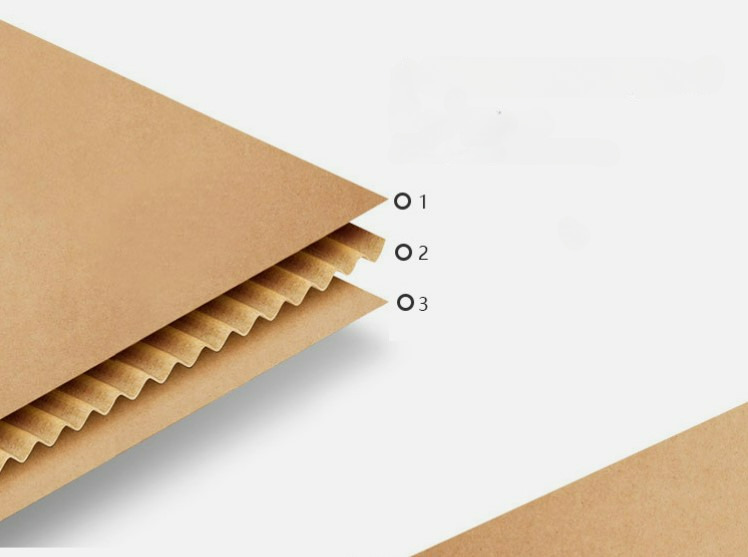
Structure: Outer liner – fluting – inner liner.
Key Features:
- Lightweight, easy to handle during packing, stacking, and shipping.
- Moderate strength, suitable for lightweight and non-fragile products.
- Low production cost, helping businesses save on packaging expenses.
Applications: Ideal for everyday consumer goods such as clothing, footwear, cosmetics, dry foods, and light household items.
1.2. 5-Ply Corrugated Packaging
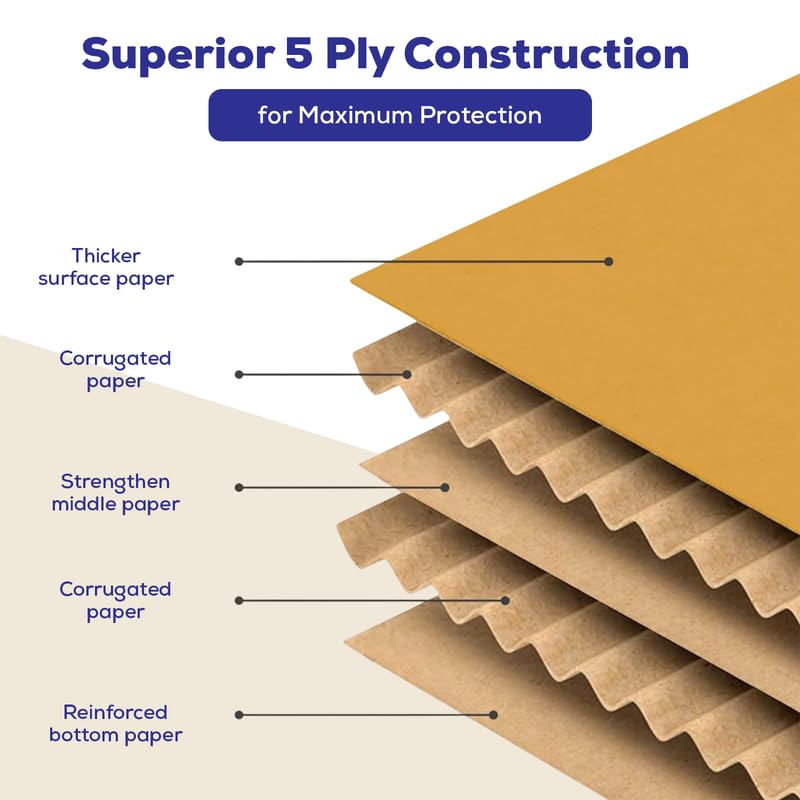
Structure: Two outer liners, two fluted layers, and one middle liner.
Key Features:
- Greater rigidity and compression strength than 3-ply boards.
- Improved moisture resistance and better environmental tolerance.
- Balanced performance between protection and cost-efficiency.
Applications: Suitable for medium to heavy goods such as packaged food, electronics, household appliances, and light industrial products.
1.3. 7-Ply Corrugated Packaging
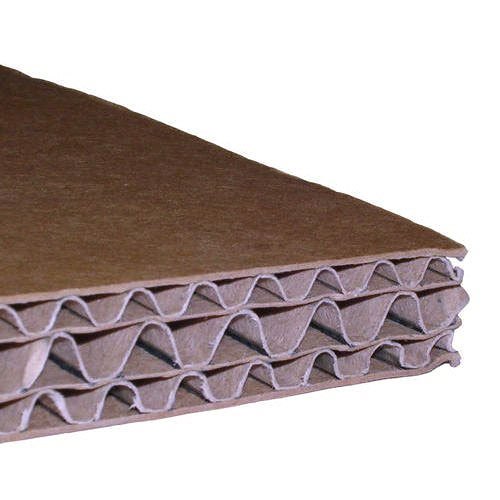
Structure: Four linerboards and three corrugated mediums alternating between them, forming an exceptionally strong composition.
Key Features:
- Excellent load-bearing capacity and impact resistance, offering maximum protection.
- Ideal for long-distance or harsh transportation conditions.
- Superior safety for high-value or delicate goods.
Applications: Commonly used for machinery, industrial equipment, bulky electronics, furniture, export goods, and products requiring extra protection.
2. General Advantages of Corrugated Packaging
- Excellent product protection: The multi-layered fluted structure absorbs shocks and prevents damage during transit.
- Eco-friendly: 100% recyclable and biodegradable, aligning with sustainable manufacturing trends.
- Cost-effective: More affordable compared to plastic or metal packaging.
- Easy to print and customize: The paper surface supports various printing and finishing techniques, allowing effective brand promotion.
3. How to Choose the Right Corrugated Packaging
Before selecting your packaging type, consider these key factors:
Product weight and dimensions:
- Light, non-fragile items → 3-ply.
- Medium-weight products needing extra protection → 5-ply.
- Heavy, fragile, or high-value goods → 7-ply.
Protection level:
The more sensitive or delicate the product, the more fluted layers it requires.
Transportation conditions:
- Domestic or short-distance shipping → 3 or 5-ply.
- International or long-distance shipments under harsh conditions → 5 or 7-ply.
Budget considerations:
More layers mean higher costs. Balance between protection requirements and operational costs for the best result.
4. Why Choose Packwell Global?
- Comprehensive Solutions: We provide a full range of corrugated packaging — from 3-ply to 7-ply — across multiple industries.
- Guaranteed Quality: All products are manufactured on modern production lines, meeting international standards.
- Professional Design & Printing: We offer diverse structural and visual options, supporting offset printing, hot foil stamping, and embossing to elevate your brand image.
- Sustainability Focus: Made from eco-friendly, recyclable raw materials, aligning with global green initiatives.
- Expert Consultation: Our experienced team is ready to help you find the most optimal and cost-effective packaging solution.
Top 3 Benefits of Using Corrugated Packaging for Shipping
In the era of booming e-commerce and growing logistics demand, packaging not only protects goods but also reinforces brand credibility and professionalism. Among various packaging solutions, corrugated packaging stands out as the most efficient option — offering convenience, safety, and cost-effectiveness.
Here are the three key advantages of using corrugated boxes in product transportation.
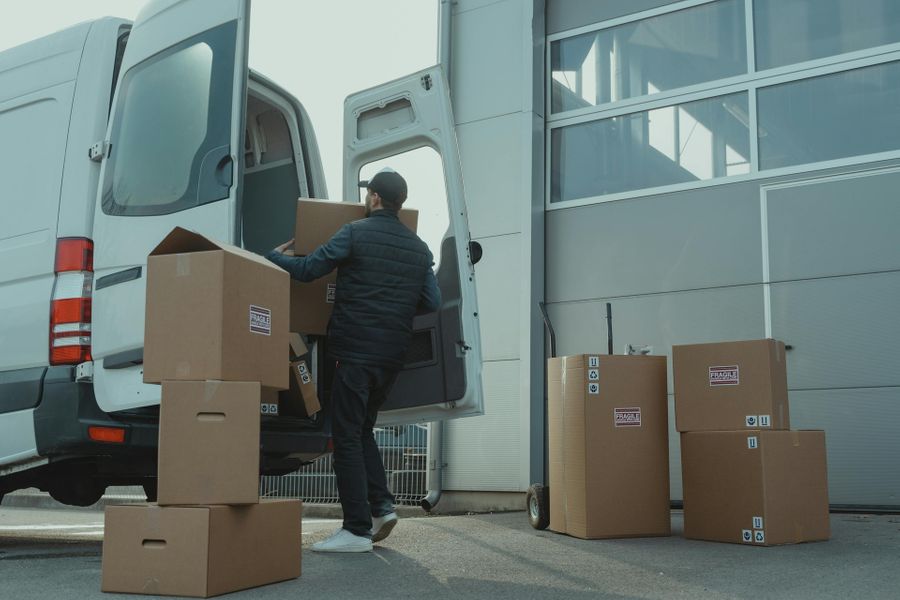
1. Superior Protection and Damage Prevention
Corrugated boxes are engineered with multiple paper layers, providing excellent compressive strength and impact resistance. This structure helps minimize deformation, scratches, and breakage during transit — especially on long-distance routes or with fragile products.
As a result, businesses can ensure their goods arrive safely and in perfect condition, maintaining customer satisfaction and trust.
2. Optimized Shipping and Storage Costs
Corrugated packaging is significantly lighter than other materials such as wood or rigid plastic, helping reduce shipping expenses. Additionally, its flexible design and customizable dimensions allow for space-efficient packing and warehousing, maximizing logistics efficiency.
Whether for small-scale deliveries or large-volume shipments, corrugated packaging offers a cost-saving and scalable solution for every business.
3. Eco-Friendly and Brand-Enhancing
Made from recyclable and biodegradable materials, corrugated packaging contributes to reducing plastic waste and promoting environmental sustainability. Moreover, its smooth printable surface allows for high-quality branding — from logos and slogans to custom graphic designs — turning every box into a powerful marketing touchpoint.
This not only supports a greener supply chain but also enhances the unboxing experience and elevates brand perception.
Packwell Global – Your Trusted Corrugated Packaging Partner
With modern production lines, a strict quality control process, and a highly skilled team,
Packwell Global is committed to delivering durable, cost-effective, and eco-friendly packaging solutions tailored to every industry’s needs.
We take pride in being your reliable partner — helping your products stay protected, while strengthening your brand identity and sustainability reputation in the marketplace.
8 Key Factors for Evaluating the Quality of Corrugated Packaging
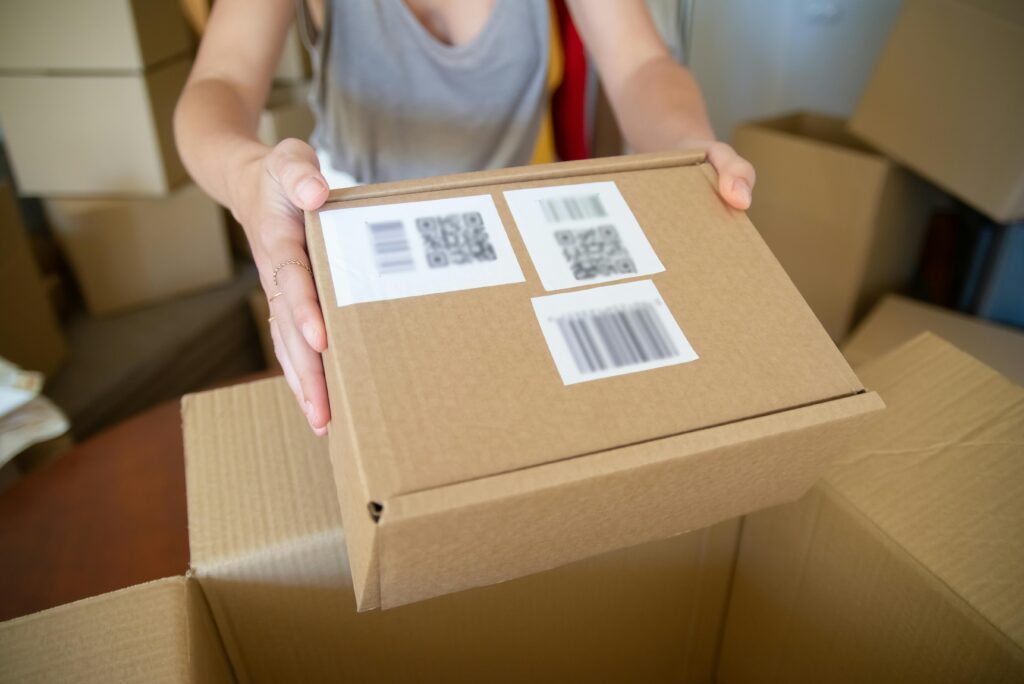
Today, corrugated packaging not only serves to protect goods during storage and transportation, but also plays a crucial role in enhancing brand image and customer experience.
But how can you tell if a corrugated box meets quality standards? Below are eight essential factors to help you accurately evaluate packaging quality.
Let’s explore these eight key criteria with Packwell Global — to help you identify and select premium-quality corrugated packaging.
1. Strength and Load-Bearing Capacity
A high-quality corrugated box must be able to withstand compression, impact, and heavy loads. This is the most critical factor that determines its ability to protect goods — especially during long-distance transportation or when carrying heavy products.
2. Paperboard Structure
Corrugated boards are typically made of 3, 5, or 7 layers. The more layers, the higher the stacking strength. In addition, the thickness and bonding strength between linerboards and fluting layers directly affect the box’s overall durability.
3. Quality of Raw Paper Materials
The paper used for corrugated boxes can be either recycled or virgin kraft. Premium packaging usually employs paper with optimal tensile strength, stiffness, and brightness — ensuring a smooth, appealing surface that resists tearing and moisture penetration.
4. Moisture Resistance
This is especially vital for packaging food, agricultural produce, beverages, and perishable items. High-quality cartons are often treated with moisture-resistant coatings or laminated layers to prevent deformation in humid environments.
5. Precision in Converting and Finishing
Die-cutting, folding, and gluing must be precise — with clean edges, accurate alignment, and no gaps. This not only enhances appearance but also ensures the box’s structural integrity during assembly and use.
6. Print Quality and Aesthetic Appeal
Beyond protection, corrugated packaging serves as the “face of the brand.” A premium product features sharp, color-accurate printing and supports advanced print technologies such as offset printing, UV coating, hot foil stamping, and embossing, ensuring a professional and high-impact visual presentation.
7. Practicality and Functionality
Good packaging should be easy to fold, open, and stack — saving warehouse space and simplifying logistics. Moreover, smart ergonomic design enhances user experience and operational efficiency.
8. Safety and Sustainability
Quality packaging is free from harmful chemicals and safe for direct contact with food, cosmetics, and pharmaceuticals. Additionally, using recycled and eco-friendly materials aligns with today’s sustainability standards and responsible manufacturing trends.
Why Choose Packwell Global?
Packwell Global is more than just a corrugated packaging manufacturer — we are your strategic partner in achieving sustainable growth.
With state-of-the-art production lines, an agile, trend-driven team, and a strict quality control process, we deliver durable, aesthetic, and high-performance packaging solutions for every industry.
At Packwell Global, innovation, design excellence, and sustainability are always our top priorities — empowering clients to protect their products while strengthening their brand presence in both domestic and international markets.
Latest Trends in Carton Packaging Production
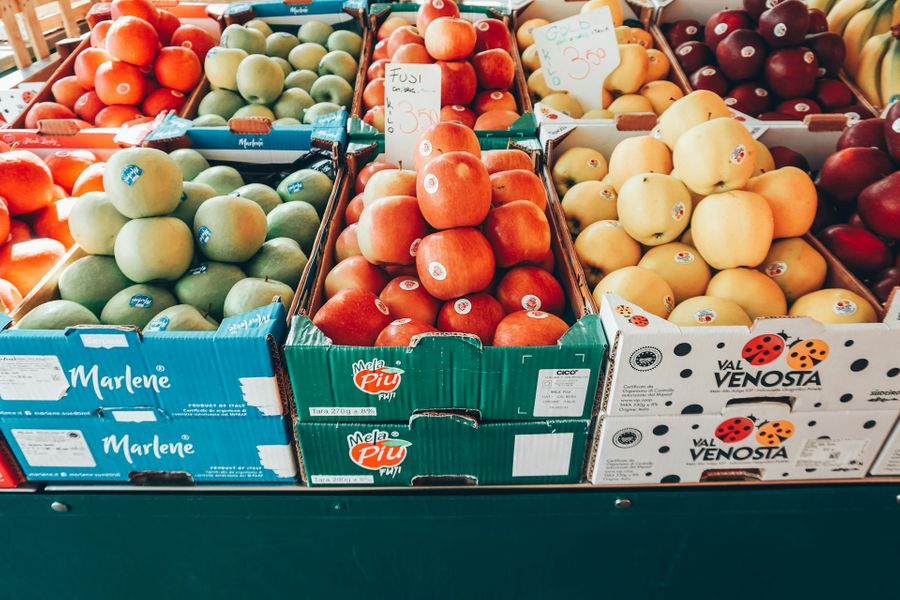
In today’s increasingly competitive market, carton packaging is no longer limited to protecting products — it has evolved into a powerful tool for building brand identity and enhancing customer experience. As a result, the carton packaging industry continues to innovate, embracing new trends to meet the diverse demands of businesses and the ever-changing tastes of consumers.
Let’s explore with Packwell Global the latest trends in carton packaging production, helping your business evaluate and choose the most suitable packaging solutions!
1. Eco-Friendly Packaging
A global trend, which is also embraced in Vietnam, is the shift toward sustainable, recyclable, and biodegradable materials. According to a Nielsen survey, around 73% of global consumers are willing to change their habits to reduce environmental impact, prompting companies to prioritize “green packaging” made from natural or recycled materials.
In particular, Gen Z consumers are deeply concerned about sustainability. A 2025 report by Short Packing shows that 56% of Gen Z choose products with eco-friendly packaging, and 52% prefer brands using recyclable or biodegradable materials.
Consequently, businesses are increasingly adopting recycled carton, free from toxic chemicals and biodegradable, to minimize environmental impact — a trend strongly aligned with the global green consumption movement.
2. User-Centric Design
Beyond durability and protection, today’s carton packaging focuses on aesthetic and emotional experience. Modern printing techniques such as offset printing, UV coating, foil stamping, and embossing are used to create elegant, high-quality packaging that enhances the unboxing experience.
For younger consumers like Gen Z, the unboxing moment itself has become part of the product experience. An appealing box can be shared across social media, amplifying brand visibility. According to McKinsey, videos with the keyword “unboxing” surpassed 25 billion views on YouTube in 2024.
In response, brands are investing in creating beautiful and engaging unboxing moments — using premium carton boxes, ribbons, tissue paper, or even hidden surprises to delight customers.
3. Smart Packaging Technology
Many businesses are integrating QR codes into carton packaging, allowing customers to scan and access product details, verify authenticity, or join promotional campaigns. This not only increases brand engagement but also helps combat counterfeit products.
Additionally, the application of smart technologies in carton production helps optimize logistics, storage, and packaging costs, ensuring efficiency in modern supply chains.
This trend is especially relevant to several industries:
- Food & Beverage: Products such as milk, soft drinks, and canned goods are highly vulnerable to counterfeiting. At the same time, these sectors demand intelligent packaging technology to ensure safety and non-contamination during storage and transport.
- E-Commerce: As one of the fastest-growing sectors, e-commerce drives the strongest demand for carton boxes. From fashion to household goods, online retailers rely on durable carton packaging to protect products in transit. A report by Mordor Intelligence notes that “over half the global population shopping online will significantly boost carton box demand in e-commerce.”
- Beauty & Cosmetics: This sector emphasizes both technical protection and visual appeal. Cosmetic packaging must be moisture-resistant and shockproof to protect fragile bottles and jars — often requiring 5–7 layer corrugated boxes for bundled shipments.
The growing multi-step skincare trend has also increased the demand for compartmentalized carton boxes that hold coordinated product sets.
As most cosmetic buyers are women, brands are also prioritizing interactive, emotionally engaging packaging to strengthen loyalty and brand connection.
Why Choose Packwell Global
With a forward-thinking team that understands market trends and advanced technologies, Packwell Global leads the way in providing carton packaging solutions that align with modern trends across diverse industries.
We use 100% recycled paper materials and water-based printing technology that meet green standards, reducing plastic waste. Our designs are optimized for supply chain efficiency (smart sizing, sturdy structure) and enhanced user experience (visually appealing, easy to open).
Our design and production teams constantly monitor market shifts to ensure each product not only offers protection but also captures attention and strengthens brand identity.
Thanks to this commitment, Packwell Global is a trusted partner for Vietnamese and international businesses seeking modern, sustainable, and trend-driven carton packaging solutions.