
3-LAYER CORRUGATED CARTON BOX: STRUCTURE, ADVANTAGES & PRACTICAL APPLICATIONS
In modern business operations, carton packaging is no longer just a protective covering — it plays a vital role in brand communication, logistics optimization, and product presentation. Among various packaging solutions, the 3-layer corrugated carton box stands out for its balance of cost efficiency, durability, and versatility.
1. What Is a 3-Layer Corrugated Carton Box?
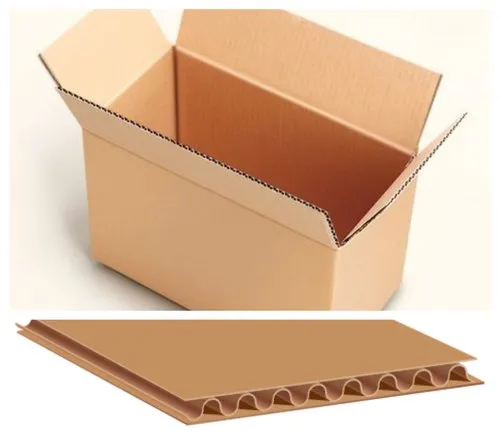
A 3-layer corrugated box is made from three bonded paper layers: two flat linerboards on the outer surfaces and one fluted (corrugated) medium in between.
The fluted layer provides cushioning, rigidity, and resistance against crushing or deformation during transportation.
This type of carton is currently the most widely used packaging option on the market thanks to its low cost, ease of printing, and simple production process, while still meeting general packaging standards for most industries.
2. Structure of a 3-Layer Corrugated Carton Box
A standard 3-layer corrugated box consists of three main components:
- Outer layer (Top liner):
The visible surface of the box, typically smooth and aesthetic, available in white, brown, or kraft yellow. This layer is usually printed with brand logos or product information. - Fluting (Corrugated medium):
The wavy middle layer formed in a sinusoidal pattern, designed to absorb shocks and enhance the box’s compression strength.
Common flute types include A, B, and C flutes, each offering different heights and stiffness levels depending on packaging requirements. - Inner layer (Bottom liner):
The innermost surface that supports and stabilizes the box’s structure. It is often made from heavier-weight paper to improve durability.
The overall quality of a 3-layer carton depends on paper grade, grammage (basis weight), flute type, and bonding adhesive. Manufacturers can easily adjust these factors to meet specific packaging or logistics needs.
3. Key Advantages of 3-Layer Carton Boxes
- Cost-effective and economical:
Simple manufacturing processes and readily available raw materials make 3-layer cartons significantly more affordable than plastic or metal alternatives — suitable for both large-scale production and small businesses. - Environmentally friendly:
Made entirely from paper — a renewable and recyclable material — these cartons are an eco-conscious choice that aligns with global sustainability trends. - Lightweight and easy to process:
The structure allows for effortless cutting, folding, and shaping, making customization and mass production quick and efficient. - Reliable durability for general packaging needs:
Despite having only one corrugated layer, the box provides adequate compression and shock resistance for short-distance transportation and warehousing. - Customizable in size and design:
Easily tailored into various forms — from small retail boxes to large shipping cartons — according to customer specifications. - Convenient storage and transportation:
The box can be folded flat when not in use, saving space and reducing logistics costs. - Excellent for printing and branding:
Its smooth surface supports high-quality printing, enabling clear, vibrant logos and brand graphics to enhance product presentation.
4. Limitations to Consider
While 3-layer cartons are versatile and affordable, they do have certain constraints:
- Limited load-bearing capacity:
Not recommended for heavy, fragile, or high-value goods. Under excessive stacking pressure, the box may deform or tear. - Low moisture resistance:
Without lamination or waterproof coating, the paper can soften and lose shape in humid conditions, affecting product protection. - Less suitable for long-distance or export shipping:
Extended transportation — especially via sea freight — can expose the carton to vibration, compression, and humidity, which may compromise its integrity. In such cases, 5-layer or 7-layer cartons are preferred for enhanced protection.
5. Common Applications of 3-Layer Corrugated Boxes
Thanks to their light weight, customizability, and cost advantages, 3-layer cartons are widely used across multiple industries:
- Food & Beverage:
Used for packaging noodles, confectionery, vegetables, bottled drinks, and more. The outer surface can be printed with product labels and brand logos for retail presentation. - E-commerce:
A practical choice for shipping lightweight items such as cosmetics, apparel, books, or small electronics — ensuring both cost efficiency and product safety during delivery. - Household goods & electronics:
Ideal for packaging items like bulbs, chargers, and office accessories, providing basic protection against scratches and minor impacts. - Light industry & construction materials:
Commonly used for wrapping or cushioning flat-surfaced products like wood panels, acrylic sheets, glass, and decorative furniture to prevent damage during transport.
The 3-layer corrugated carton box remains a cost-efficient, flexible, and sustainable packaging solution for modern businesses.
Although it may not be ideal for heavy-duty or long-distance shipping, its practicality in food, e-commerce, and consumer goods sectors makes it a leading choice for companies seeking to balance affordability, product safety, and brand presentation.